
7 Signs of Wood Rot Every Homeowner Should Never Ignore
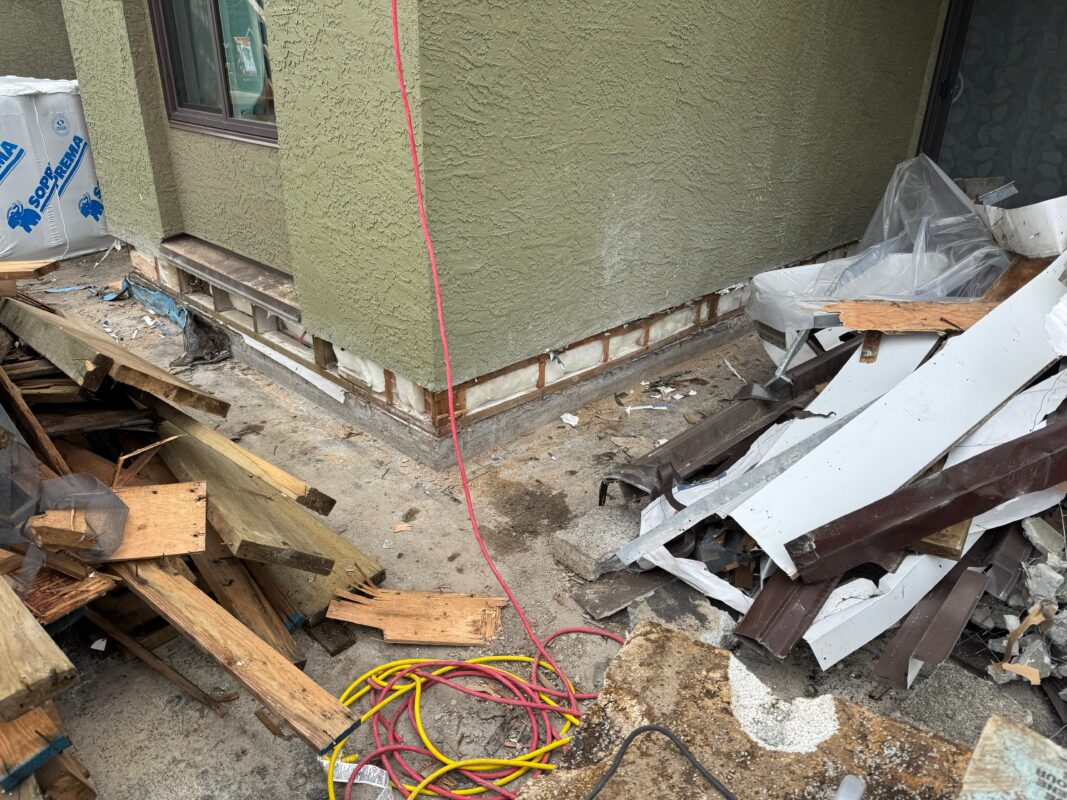
Wood rot is one of the most common exterior problems homeowners face in the Lower Mainland. With our region’s frequent rainfall, high humidity, and long wet seasons, wood is constantly exposed to moisture that can gradually break it down. What often starts as a small soft spot or a bit of peeling paint can quickly develop into extensive damage if left untreated.
The challenge is that wood rot doesn’t always announce itself right away. In many cases, the damage begins beneath the surface, making it difficult to detect until repairs become more extensive and costly. That’s why regular inspections and early intervention are so important for protecting your home’s exterior and avoiding unnecessary expenses.
In this article, we’ll walk you through the 7 most common signs of wood rot, explain where it typically develops, and discuss what you should do if you discover rotten wood around your home.
What Is Wood Rot?
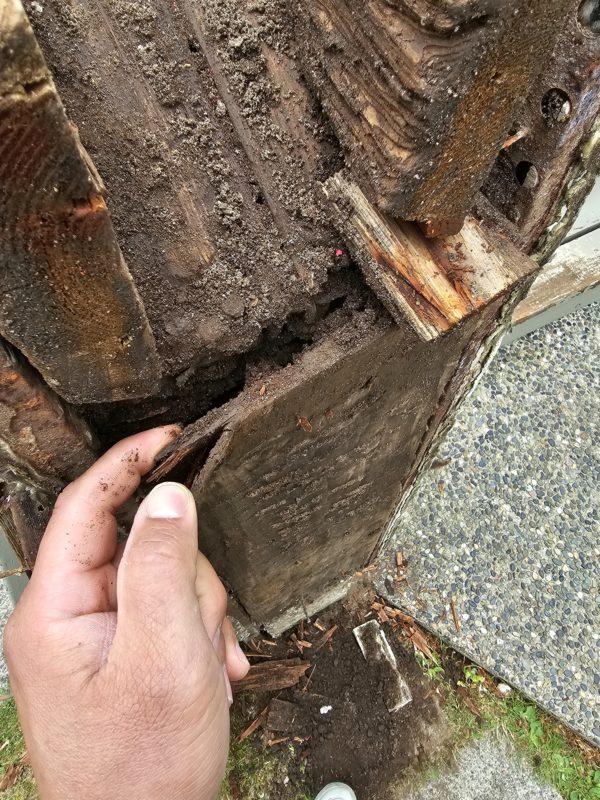
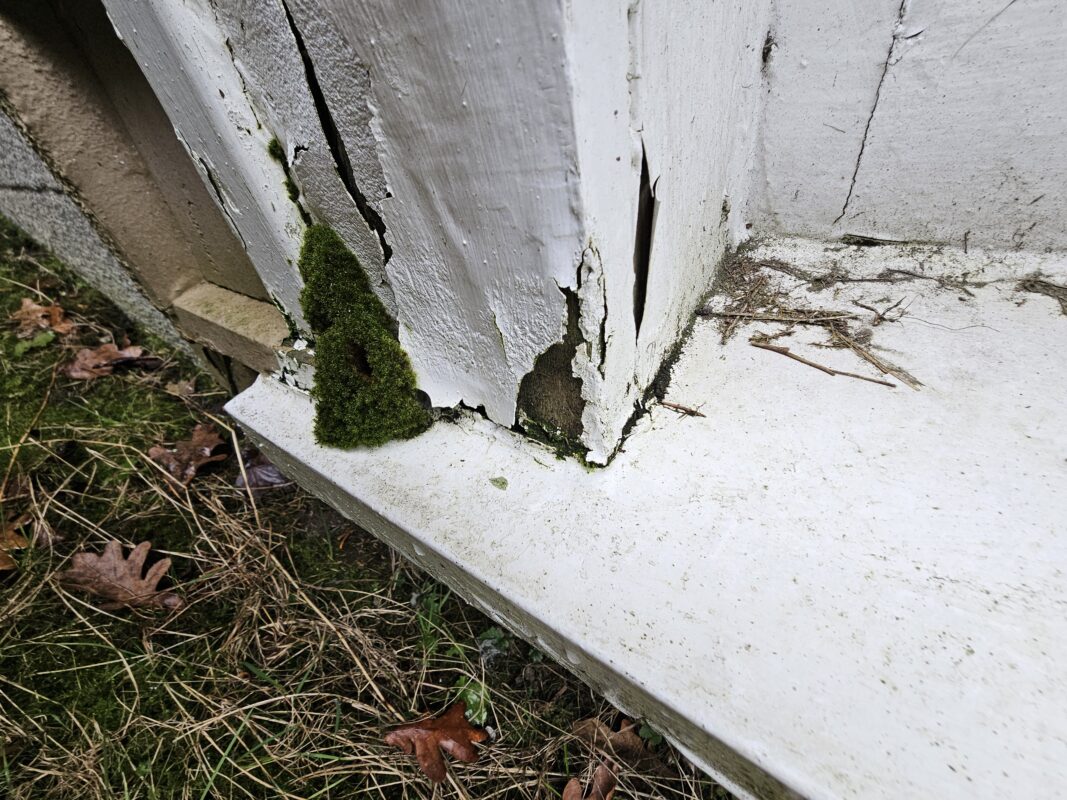
Before learning the signs of wood rot, it’s important to understand what wood rot is and why it develops. Wood rot is the deterioration of wood caused by fungi that thrive in damp, moisture-rich environments. When wood remains wet for extended periods, these fungi begin breaking down its natural fibres, causing the wood to lose its strength and structural integrity. Over time, what was once solid, durable wood can become soft, brittle, and unsafe.
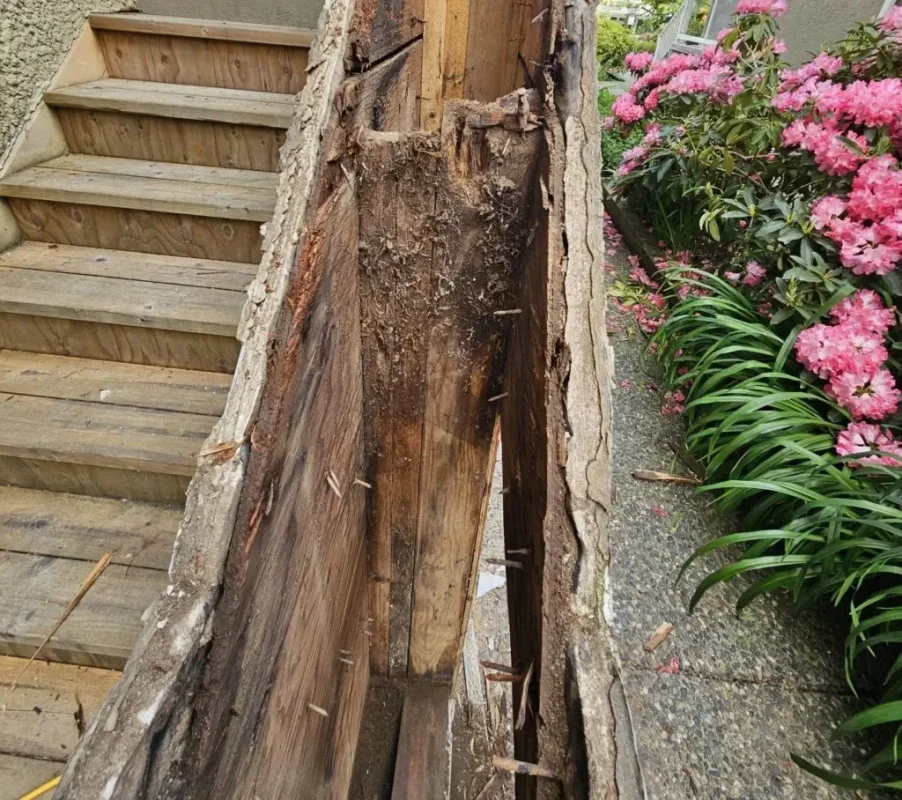
Healthy wood is firm, dry, and capable of supporting the weight and function it was designed for. Deteriorating wood, on the other hand, may feel soft or spongy, appear discoloured, crack easily, or crumble when pressure is applied. Many of the early signs of wood rot develop beneath the surface, making the damage difficult to detect until it becomes more severe.
Moisture is the primary cause of wood rot. In the Lower Mainland, frequent rainfall, high humidity, clogged gutters, leaking roofs, failing caulking, and damaged paint can all allow water to penetrate and remain trapped in wood. Without addressing the source of the moisture, wood rot will continue to spread, often resulting in more extensive wood rot repair or even the replacement of damaged structural components.
What Causes Wood Rot?
Recognizing the signs of wood rot is only part of protecting your home. Understanding what causes wood rot can help you prevent it before costly repairs become necessary. Since wood rot develops when wood is exposed to excessive moisture over time, eliminating the source of the moisture is just as important as repairing the damage itself.
Some of the most common causes of wood rot include:
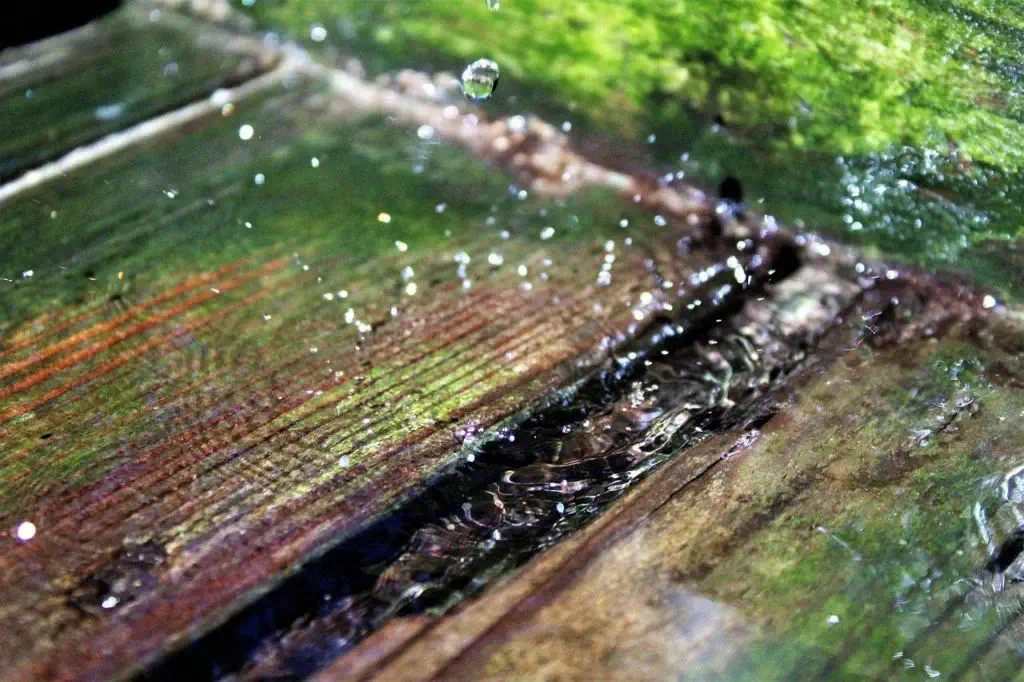
- Rain and constant moisture: The Lower Mainland’s rainy climate keeps exterior wood exposed to moisture for much of the year. When wood doesn’t have an opportunity to dry completely, it creates the ideal environment for wood rot to develop.
- Poor drainage: Water that collects around decks, siding, window trim, or foundations can soak into wood and accelerate deterioration.
- Failing caulking: Cracked or deteriorated caulking around windows, doors, and trim allows water to penetrate behind the surface, where wood rot often begins unnoticed.
- Leaking gutters: Overflowing or damaged gutters can direct water onto fascia boards, soffits, siding, and other wood components, causing prolonged moisture exposure.
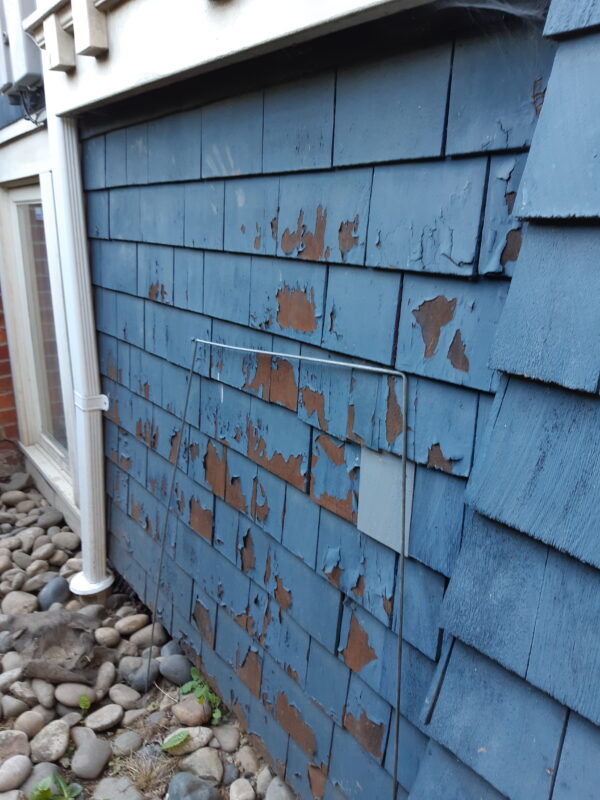
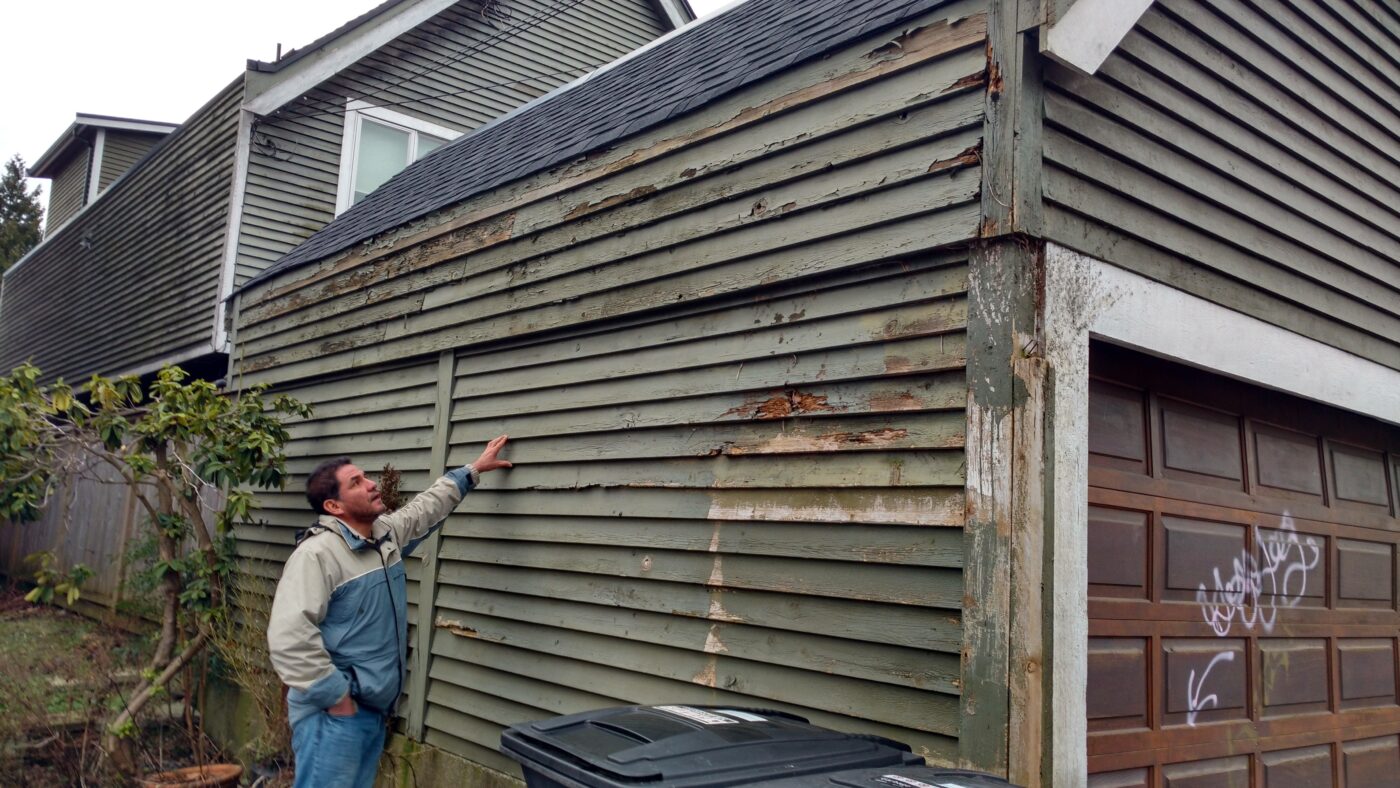
- Cracked or peeling paint: Exterior paint acts as a protective barrier against moisture. Once it begins to crack, peel, or blister, water can penetrate the wood underneath and start the decay process. Proper surface preparation and timely repainting can help prevent moisture damage.
- Lack of maintenance: Regular inspections, repainting, sealing, and minor repairs help protect exterior wood. Delaying maintenance often allows small issues to develop into extensive wood rot.
If you notice any of these conditions around your home, it’s important to address them as soon as possible. In many cases, early maintenance can prevent the need for extensive wood rot repair and help extend the life of your home’s exterior.
Where the Signs of Wood Rot Are Most Common
Knowing the signs of wood rot is only half the battle—you also need to know where to look. Many of the first signs of wood rot appear in areas that are regularly exposed to moisture, making routine inspections an important part of home maintenance.
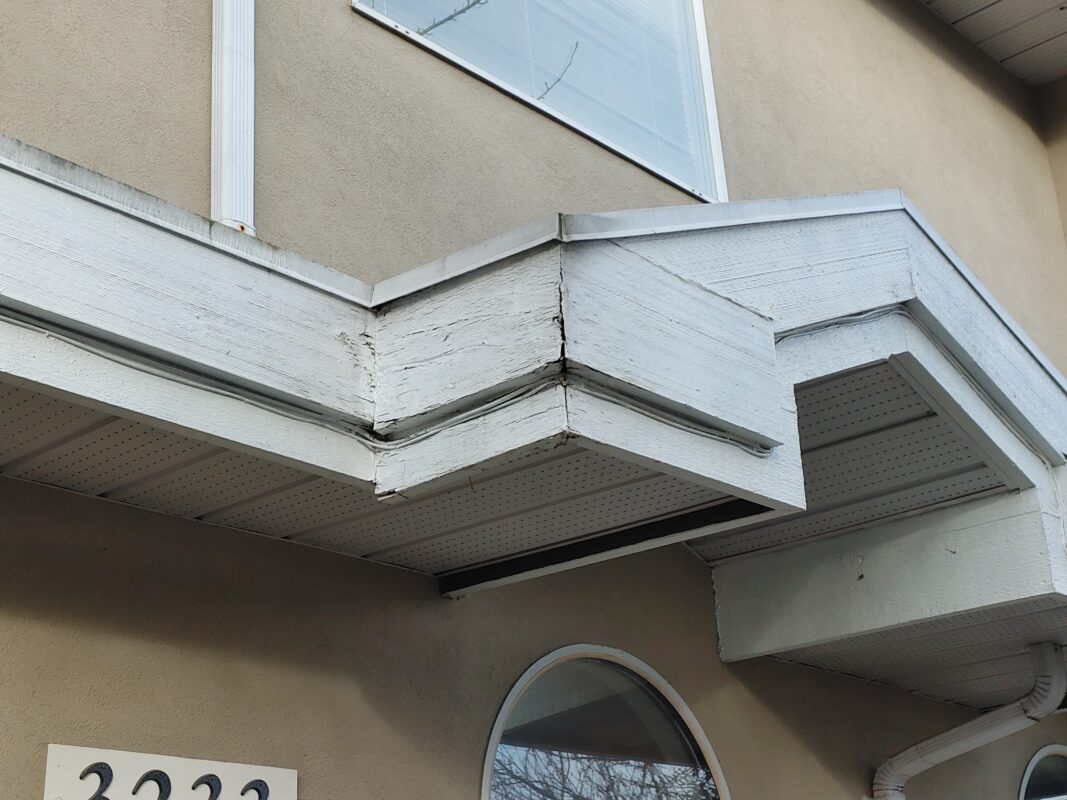
Fascia Boards: Fascia boards sit directly behind your gutters and are constantly exposed to rainwater. If gutters overflow, leak, or become clogged, moisture can soak into the fascia, leading to wood rot over time.
Window Trim: Window trim is one of the first places moisture can enter if caulking begins to fail. Cracked sealant or peeling paint allows water to penetrate the wood, making window trim a common location for hidden wood rot.
Door Frames: Exterior door frames are exposed to rain, snow, and frequent temperature changes. Poor sealing or damaged weatherstripping can trap moisture around the frame, causing the wood to deteriorate.
Siding: Wood siding depends on properly maintained paint and caulking to keep moisture out. Damaged or neglected siding can absorb water, resulting in soft, deteriorating wood that may require repair or replacement.
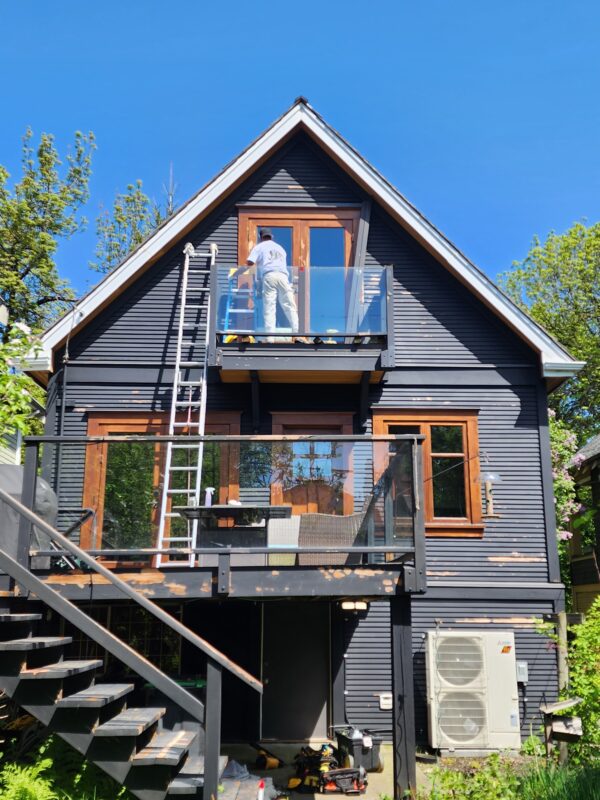
Decks: Decks are exposed to constant foot traffic and the elements. Without regular cleaning, sealing, and maintenance, moisture can penetrate deck boards, railings, and support posts, increasing the risk of wood rot.
Fence Posts: Fence posts are in direct contact with the ground, making them especially vulnerable to moisture. Over time, constant exposure to wet soil can weaken the wood and reduce the fence’s structural stability.
Roof Overhangs: Roof overhangs, including soffits and fascia, are designed to help protect your home from rain. However, damaged roofing materials, overflowing gutters, or poor ventilation can allow moisture to accumulate, leading to wood rot in these hard-to-see areas.
Exterior Trim: Exterior trim around corners, garages, and decorative features is often overlooked during routine maintenance. As paint and caulking age, moisture can penetrate the wood, making exterior trim another common area where wood rot develops.
Can the Signs of Wood Rot Be Repaired?
Not every case of wood rot requires a full replacement. If you recognize the signs of wood rot early, there is often a better chance that the damaged area can be repaired before it spreads. The right solution depends on how extensive the decay is and whether the wood is still structurally sound.
When Wood Can Be Repaired
If the damage is minor and limited to a small section, repairs may be possible. In some cases, only the affected portion of the wood needs to be removed and replaced, helping preserve the surrounding material while preventing the damage from spreading.
When Wood Should Be Replaced
If the wood has become soft, brittle, or has lost its structural strength, replacement is usually the safest option. Fascia boards, siding, window trim, door frames, and other exterior components that have extensive decay should be replaced to restore the integrity of your home.
Why You Shouldn’t Paint Over Rotten Wood
Painting over rotten wood only hides the problem—it doesn’t stop it. Moisture and fungal decay remain beneath the surface, allowing the damage to continue worsening over time. Before any painting begins, the source of the moisture should be corrected and the damaged wood should be professionally repaired or replaced.
If you’re unsure whether your home’s damage can be repaired or requires replacement, our wood rot repair specialists can inspect the affected areas and recommend the most effective long-term solution.
How to Prevent Wood Rot
While it’s not always possible to prevent wood rot entirely, routine maintenance can significantly reduce the risk. Taking a proactive approach can help you avoid many of the signs of wood rot and extend the lifespan of your home’s exterior.
Seal Exposed Wood
Any exposed or unfinished wood should be properly primed, sealed, and painted to protect it from moisture and the elements.
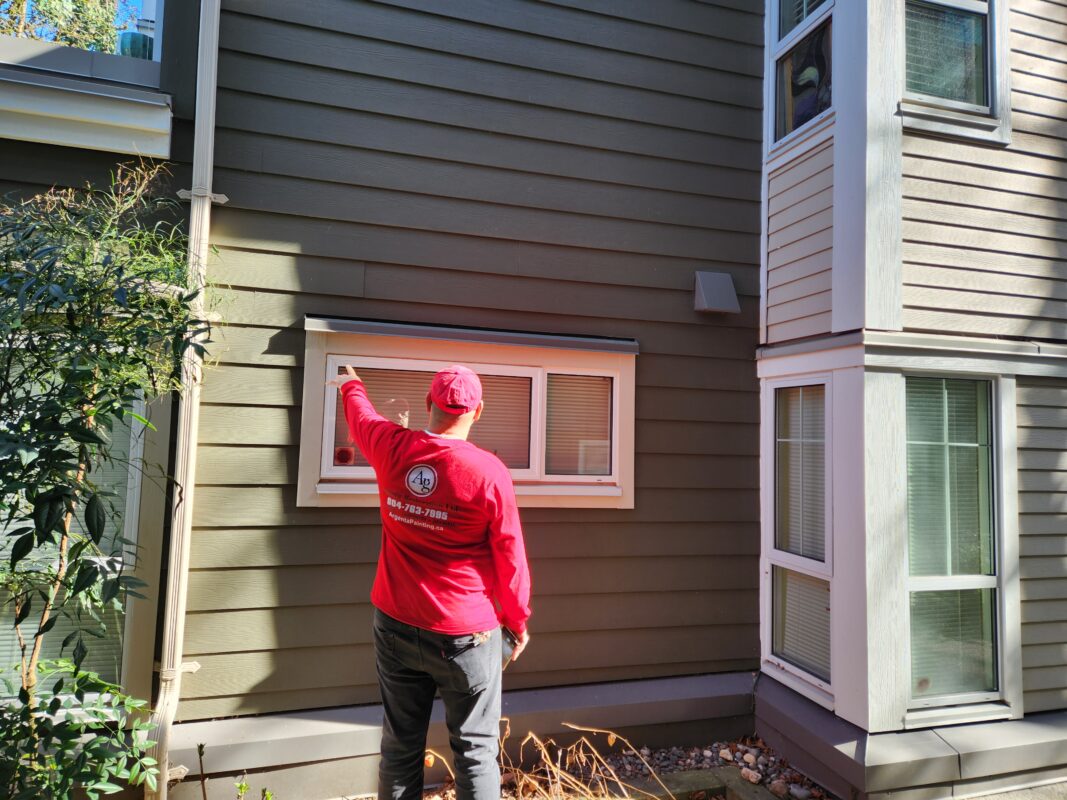
Inspect Caulking Annually
Check the caulking around windows, doors, trim, and other exterior penetrations at least once a year. Replace cracked or deteriorated caulking before water has a chance to enter.
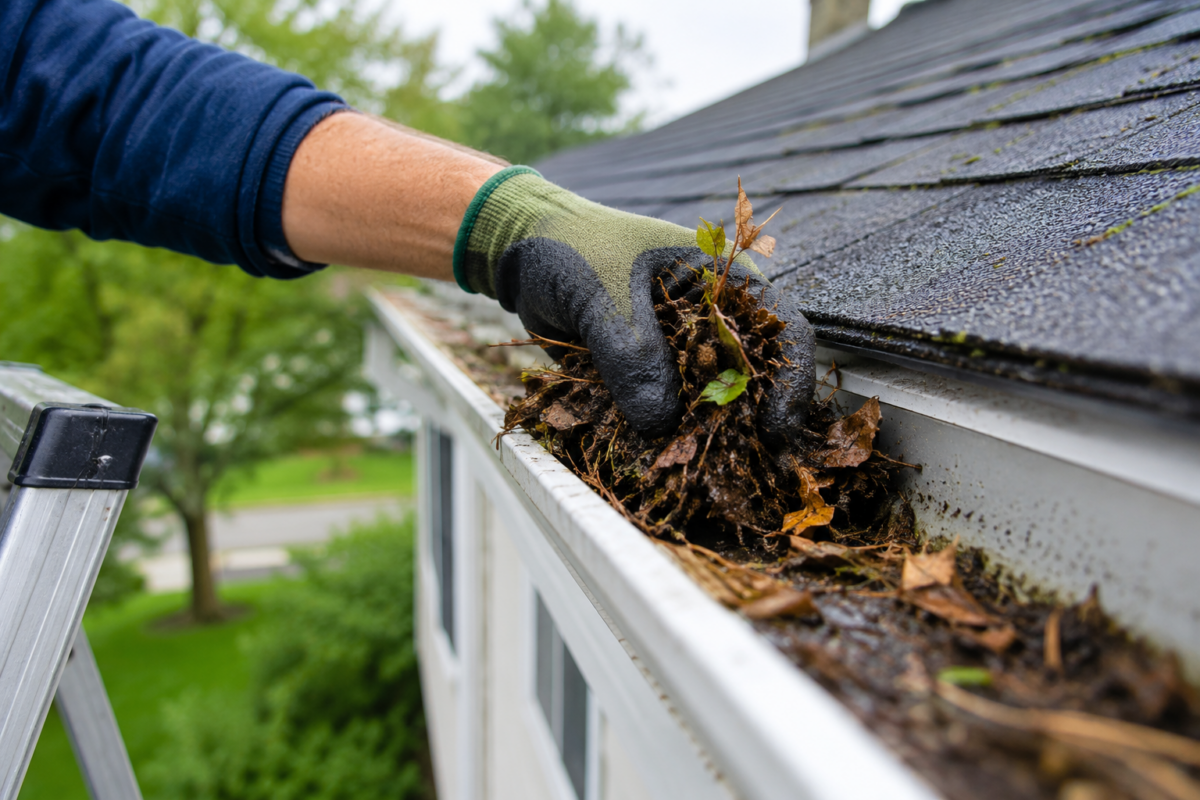
Keep Gutters Clean
Regularly remove leaves, dirt, and debris from your gutters to ensure rainwater flows away from your home instead of overflowing onto fascia boards, siding, and trim.
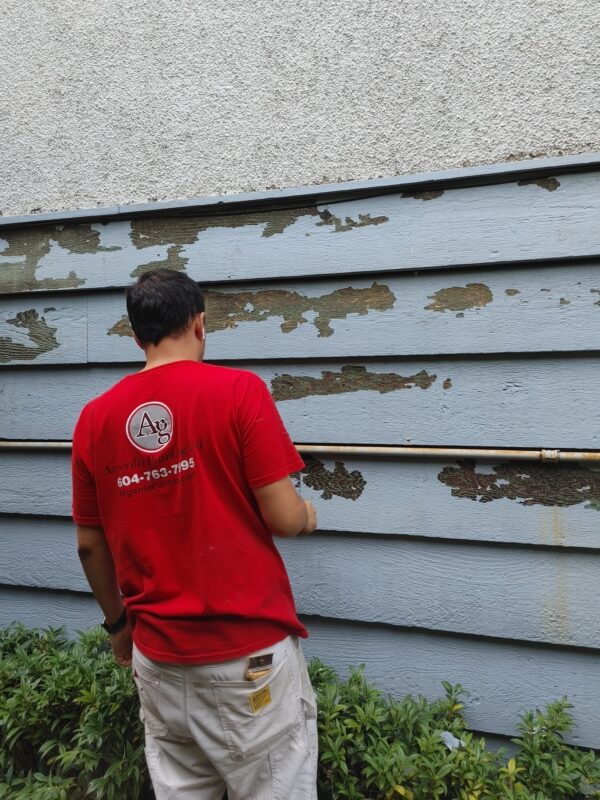
Repair Peeling Paint Promptly
Exterior paint acts as a protective barrier against moisture. If you notice peeling, cracking, or blistering paint, repair and repaint the affected areas before water can penetrate the wood.
Address Moisture Problems Quickly
Leaking gutters, roof leaks, plumbing issues, and poor drainage should be repaired as soon as they are discovered. Eliminating the source of moisture is one of the most effective ways to prevent wood rot.
Schedule Regular Exterior Inspections
A professional exterior inspection can identify early signs of wood rot and other maintenance issues before they become costly repairs. Catching problems early often means simpler repairs and a longer-lasting exterior.
Frequently Asked Questions About the Signs of Wood Rot
What is the first sign of wood rot?
One of the earliest signs of wood rot is soft or spongy wood, often accompanied by peeling paint, discoloration, or small cracks. Because wood rot frequently develops beneath the surface, regular inspections are the best way to catch the problem early.
Can wood rot spread?
Yes. If the source of the moisture isn’t corrected, wood rot can continue spreading through the affected wood and into nearby areas. Addressing the damage early can help prevent more extensive repairs.
Is wood rot dangerous?
It can be. As wood rot progresses, it weakens the structural integrity of the affected wood. If left untreated, components such as fascia boards, siding, decks, and window trim may eventually require replacement to maintain the safety and stability of your home.
Can you paint over rotten wood?
No. Painting over rotten wood only hides the damage and does not stop the decay. Before painting, the source of the moisture should be repaired and any deteriorated wood should be properly repaired or replaced.
How much does wood rot repair cost?
The cost of wood rot repair depends on the location and extent of the damage. Small repairs are generally much less expensive than replacing large sections of deteriorated wood, which is why identifying the signs of wood rot early can help reduce repair costs.
Can wood rot come back after it’s repaired?
Yes, if the source of the moisture isn’t eliminated. A quality repair should always address both the damaged wood and the underlying cause, such as leaking gutters, failed caulking, or poor drainage, to help prevent the problem from returning.
Protect Your Home with Professional Wood Rot Repair
Recognizing the signs of wood rot early can make all the difference in protecting your home. What may begin as a small soft spot, peeling paint, or minor discoloration can quickly develop into extensive damage if moisture is allowed to penetrate deeper into the wood. Regular inspections and timely repairs are the best way to prevent minor issues from becoming costly restoration projects.
If you’ve noticed any of the signs of wood rot discussed in this guide, don’t wait until the damage becomes more severe. At Argenta Restoration, we provide professional inspections and honest recommendations to help homeowners throughout the Lower Mainland determine whether the affected wood can be repaired or should be replaced.

Call a Professional
If you’d like to learn more about exterior maintenance, painting, and wood rot prevention, be sure to visit our YouTube channel, where we regularly share project highlights, helpful tips, and behind-the-scenes videos from real restoration projects. You can also explore our blog for more expert advice on protecting and maintaining your home. For a professional assessment or to request a free estimate, contact Argenta Restoration today.